


Stock Up Smart: Your Friendly Guide to Buying Bulk Ammo Online
Bulk ammo slashes your per-round cost by up to half, turning every range day into a smarter investment. It works exactly like standard cartridges, feeding and firing through any compatible firearm with identical reliability. Stockpiling in bulk guarantees you never ration shots when practice matters most, letting you train harder and shoot longer for less money. For any serious shooter, buying in volume is the only logical way to feed a hungry firearm.
What Does Buying Ammunition in Large Quantities Actually Mean?
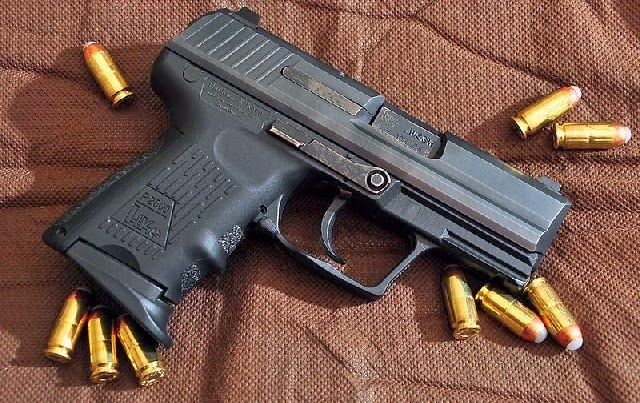
Buying ammunition in large quantities, or bulk ammo, means you’re shifting from a transactional purchase to a strategic reserve. Instead of grabbing a box or two before a range day, you’re committing to a consistent supply that removes the anxiety of running dry mid-session. What does buying ammunition in large quantities actually mean in practice? It means your shooting becomes a planned activity, not a reaction to shelf inventory. You develop a rhythm—you know 6mm ARC Ammo for Sale exactly how many rounds you have, how fast you burn through them, and when you’ll need to reorder. The weight of that cardboard box in your trunk changes your mindset: you’re no longer rationing shots. Bulk ammo transforms a simple errand into a quiet, assured habit—one where the click of the bolt closing is followed by another round, always ready, because you already thought ahead.
How Bulk Packaging Differs from Standard Boxes for Shooters
For shooters, the biggest difference with bulk ammo is the box itself. Instead of individual 20- or 50-round cardboard packs, you’ll get loose rounds in a 100- to 1,000-round cardboard carton, a plastic bag, or a sturdy ammo can. This means you’re not tearing open tiny flaps at the range—you just scoop or pour. The trade-off? No built-in tray to hold rounds upright, so you’ll need a magazine loader or a 7.5×55 Swiss Ammo for Sale separate tray for fast reloads. Also, bulk packaging often lacks the foam inserts or dividers that protect standard boxed ammo from rattling, so expect some minor cosmetic wear on casings. For practice, it’s a non-issue, but if you’re a stickler for pristine brass, it matters. **Bulk ammo packaging prioritizes volume over presentation**, which is perfect for high-volume drills.
Q: How does bulk packaging affect your reloading routine at the range?
A: It’s faster to grab handfuls, but you lose the neat rows. You’ll either dump rounds into a tray or use a speed loader—no more peeling open 10 boxes to refill mags.
Common Calibers and Load Types You’ll Find in Bulk Lots

Bulk lots typically center on the most universally demanded calibers—9mm Luger, .223 Remington/5.56 NATO, .308 Win, and .22 LR—because these dominate range sessions and defensive stockpiles. You’ll find load types tailored for high-volume shooting, including full metal jacket (FMJ) rounds for economical practice, while soft-point or hollow-point variants appear in bulk only for specific hunting or self-defense setups. Bulk ammo often arrives as loose-packed or in cardboard boxes, with mixed headstamps or manufacturing runs, so consistency may vary but functionality remains reliable. When scanning bulk deals, prioritize a single load type for accuracy, or accept mixed for pure plinking.
- 9mm FMJ is the most common bulk choice, balancing cost with reliability.
- .22 LR bulk boxes (500–1000 rounds) are ideal for cheap, low-recoil practice.
- 5.56/.223 bulk often pairs 55-grain M193 or 62-grain M855 loads.
- Powder-coated lead or plated bullets appear in bulk for pistol calibers to reduce fouling.
Case Quantities vs. Loose Packs: What’s Inside Your Order
When you buy bulk ammunition, the difference between case quantities and loose packs dictates how your order arrives and how you store it. A case quantity of bulk ammo typically means sealed, factory-packed boxes nested in a sturdy cardboard carton, preserving lot integrity and simplifying inventory tracking. Loose packs, conversely, offer ammo shipped in bulk bags or trays—often cheaper per round but requiring your own sorting and ammo cans. Choose case quantities for long-term stockpiling and precise lot recall; opt for loose packs when range volume matters more than packaging polish. Either way, inspect the product description so you know exactly what’s inside before checkout.
- Case quantities include original manufacturer boxes; loose packs often arrive in generic bags.
- Sealed cases protect against moisture and rough handling during transit.
- Loose packs reduce packaging waste but may require counting before storage.
Why Stocking Up on Cartridges Saves You Money at the Range
Buying bulk ammo instead of individual boxes cuts the per-round cost dramatically, often by 20–40%. That difference adds up fast when you’re shooting hundreds of rounds per session. Since the price per cartridge drops with quantity, stocking up means you’re paying for the ammo, not the packaging and retail markup every single trip. Plus, you avoid the temptation of overpaying for a quick box at the range counter when you run low.
Locking in a case now protects you against incremental price hikes between visits, so your next range day is effectively cheaper before .243 Ammo for Sale you even fire a shot.
It also means more trigger time for the same budget—you’ll stretch your practice dollars further, which is the whole point of buying in bulk.
Cost Per Round Breakdown: Where the Discounts Really Add Up
The core financial advantage of bulk ammo lies in the cost per round breakdown, where volume pricing fundamentally shifts the math. A box of 50 defensive rounds might run $1.10 each, but a 1,000-round case of the same load often drops that figure to $0.85—a 23% savings that directly affects your wallet. The discounts really add up when you compare tiered pricing: buying 200 rounds saves roughly 5%, while 500 rounds typically unlocks a 12–15% reduction. Shipping costs also dilute per-round when amortized across a larger order, and you avoid the per-box markup that retailers apply to small quantities. Over a year of weekly practice, this difference can fund an extra range session or two.
- Case purchases (1,000+ rounds) typically 9x23mm Winchester Ammo for Sale slash per-round cost by 15–25% compared to single boxes.
- Flat-rate shipping lowers your effective cost per round as order size increases.
- Bulk pricing often reduces the per-box handling fee, not just the ammunition price itself.
Reducing Per-Trip Expenses for High-Volume Practice Sessions
For shooters running high-volume practice, the cost per box is only half the equation; the real savings emerge when you reduce per-trip expenses through bulk ammo purchases. By buying 1,000 rounds at once, you amortize the fixed costs of range fees, travel fuel, and time across far more trigger pulls per visit. Instead of driving to the range weekly for 200 rounds, you consolidate into fewer, longer sessions where the same overhead covers 500–800 rounds. This also cuts down on impulse retail stops for overpriced single boxes, which quietly bleed your budget. Your hourly cost of live-fire training drops measurably when you stretch each trip’s logistics over triple the ammunition. The result is a lower price per meaningful repetition, not just per cartridge.
- Consolidate visits: one trip with 600 rounds beats three trips of 200 for the same total cost.
- Track range fees per round fired—bulk buying drops that ratio sharply.
- Eliminate emergency box purchases by keeping a reserve from your bulk stock.
- Plan drills around a single full case to avoid partial-box waste on odd counts.
Taking Advantage of Free Shipping Tiers on Larger Orders
Free shipping thresholds are the silent profit-killers for frequent shooters, but a simple shift in ordering strategy flips them in your 6mm Creedmoor Ammo for Sale favor. When you consolidate your ammunition needs into a single, larger bulk ammo order, you push past the retailer’s minimum spend requirement, eliminating the flat-rate fee that would otherwise add ten to twenty dollars to your cost per case. That saved money translates directly into extra boxes of practice rounds or premium defensive loads. Instead of paying for shipping on every small restock, calculate your monthly round count and buy just enough to cross that tier. You get the same product, but your effective price per cartridge drops noticeably with zero extra effort. The range session becomes cheaper before you even fire a shot.
How to Choose the Right Large-Volume Order for Your Firearm
Choosing the right large-volume bulk ammo order starts with matching the cartridge to your firearm’s chamber, verified by the barrel stamp, not the gun model. For each caliber, select the bullet weight that mirrors your standard practice load—lighter weights change point of impact and recoil, undermining training consistency. Prioritize full metal jacket (FMJ) rounds for range use, ensuring the projectile profile feeds reliably in your specific action type, whether gas, direct impingement, or recoil-operated. Check the brass case headstamp consistency across the batch, as mixed or remanufactured cases can vary in resizing tolerance. Finally, calculate your actual monthly shot count .223 Ammo for Sale and order only 30–50% above that, preventing long-term storage of ammunition that may develop moisture or degraded primers, especially if your rifle is a precision build.
Buying for your firearm, not just the price per round, means verifying cartridge, weight, and case integrity before committing to thousands of rounds.
Matching Bullet Weight and Grain to Your Barrel’s Twist Rate
When committing to a large-volume order, matching bullet weight and grain to your barrel’s twist rate is non-negotiable for consistent accuracy and pressure safety. A slower twist (1:12 or slower) stabilizes lighter bullets (40–55 grains), while faster twists (1:7 or 1:8) are required for heavier projectiles (62–77 grains) in calibers like .223 Remington. Before buying bulk ammo, check your barrel’s twist rate, usually stamped on the barrel or in the manual, and select a grain weight that falls within its optimal stabilization range. Verify your twist rate before placing a bulk ammo order to avoid wasting thousands of rounds on keyholing or poor precision. Even a 5-grain difference can shift your point of impact significantly with marginal twists. Stick to one proven grain weight for your entire batch.
Brass vs. Steel Casing: Performance and Your Gun’s Lifespan
When buying bulk ammunition, the casing metal directly impacts both immediate performance and your firearm’s long-term health. Brass casings expand and seal against the chamber more reliably, reducing blowback and keeping your extractor free from carbon fouling. Steel, while cheaper, does not obturate as consistently, allowing propellant gases to deposit stubborn residue that accelerates wear on your bolt face and chamber. Over thousands of rounds, this grit acts like sandpaper, shortening the lifespan of critical components such as your ejector and firing pin spring. Steel’s lacquer or polymer coating can also melt under rapid fire, creating a stubborn adhesive that binds cases in the chamber. For high-volume shooting, brass casing performance justifies its higher cost because it preserves tolerances and minimizes maintenance, while steel demands more frequent cleaning and part replacement.
Full Metal Jacket vs. Hollow Points: Picking Purpose-Built Rounds

Choosing between full metal jacket and hollow point rounds for bulk orders hinges entirely on your intended application. For high-volume range training and cost-efficient practice, bulk ammo with FMJ projectiles delivers reliable feeding and penetration without expanding, making it ideal for paper targets and steel plates. Hollow points, however, are purpose-built for defensive scenarios, expanding upon impact to transfer energy and minimize over-penetration risks. When stocking in large quantities, split your order—reserve the majority for FMJ drills, but allocate a .260 Remington Ammo for Sale dedicated stash of hollow points for carry or home-defense magazines. *Rotating this defensive stock periodically ensures fresh, reliable expansion when you need it most.* Do not confuse the two roles; each round’s design dictates its mission, and your bulk purchase should reflect that deliberate separation.
Smart Storage and Handling Tips for a Large Ammunition Stockpile
For a bulk ammo stockpile, rotate your inventory using a strict first-in, first-out system, marking every case with purchase date to prevent age-related primer degradation. Store cans off concrete floors on wooden pallets or rubber mats to interrupt moisture wicking, and keep your large ammunition stockpile in a climate-controlled room at 55–65°F with desiccant packs inside sealed ammo cans. Inspect seals twice yearly, swapping out any silica gel that has changed color, and avoid stacking cans beyond four high to prevent crushing lower boxes and warping rims. When handling, move only one can at a time using both hands, never drag containers across abrasive surfaces, and always wipe down steel-case rounds with a dry cloth before storage to remove corrosive residue. Finally, separate opened boxes from sealed cans, because partial exposure to air accelerates humidity absorption, compromising your entire cache’s reliability.
Keeping Powder and Primers Safe in Temperature-Stable Conditions
For bulk ammo reloaders, powder and primers demand temperature-stable storage conditions above all else. Keep them in a cool, dry 7.62 Tokarev Ammo for Sale environment, ideally between 55–70°F, where daily swings won’t degrade nitrocellulose or destabilize primer compounds. Avoid attics, garages, or exterior walls that bake in summer or freeze in winter. Use sealed, non-conductive containers—original metal cans for powder, factory trays for primers—with desiccant packs, and check humidity stays below 50%. Thermal cycling, not steady warmth, is what silently accelerates chemical breakdown and reduces ignition reliability. Follow this sequence:
- Choose an interior, insulated closet or basement corner away from HVAC vents and water pipes.
- Place powder cans and primer boxes in airtight ammo cans with silica gel, labeling dates.
- Monitor with a digital hygrometer-thermometer weekly, rotating stock by purchase date.
Stable temperature preserves burn rates and primer sensitivity, so your bulk reserve functions exactly as designed years later.
Airtight Containers and Desiccants to Prevent Corrosion
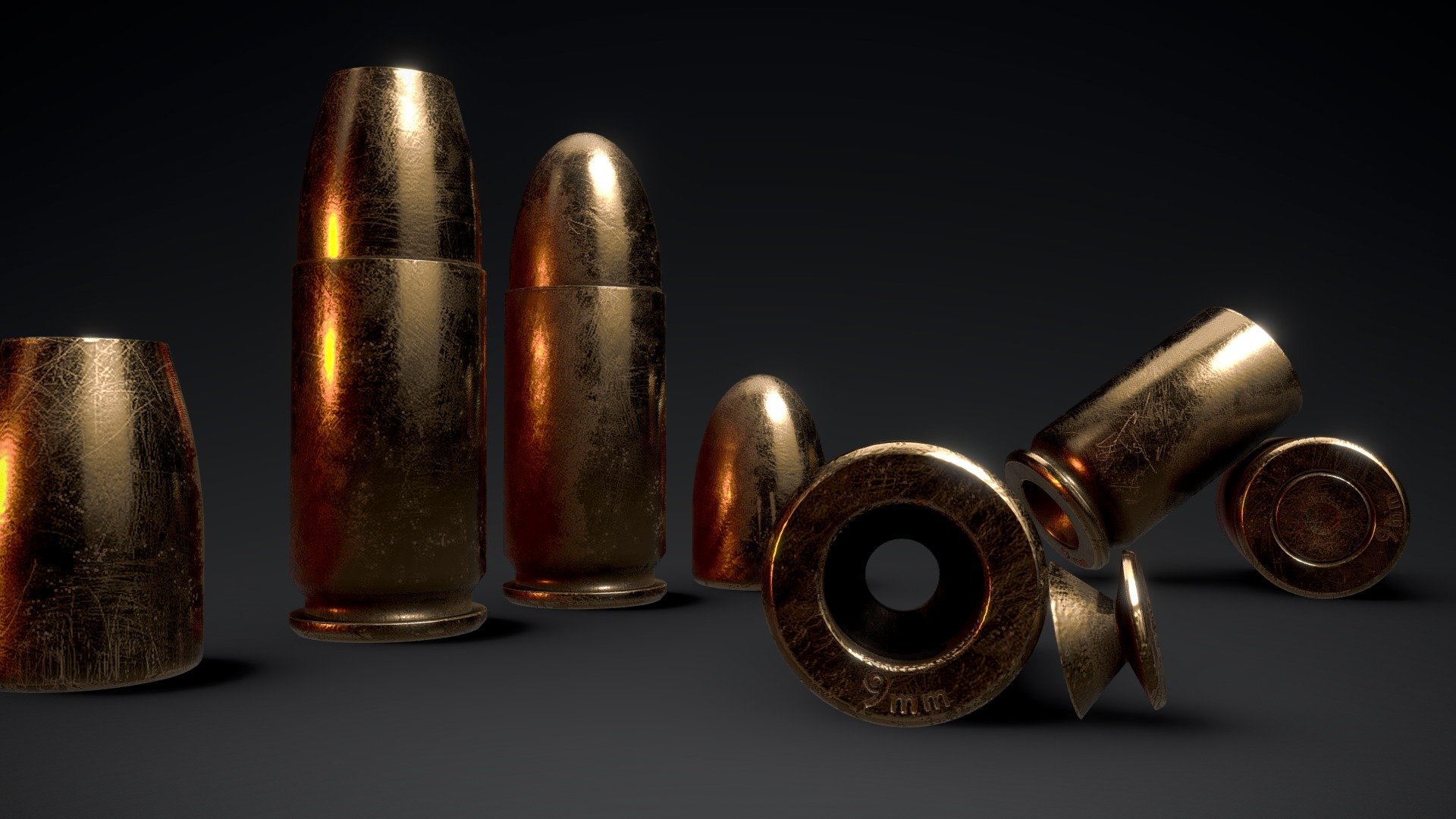
For bulk ammo, an airtight container is your first line of defense, but desiccant packets for bulk ammo storage are the true workhorses. Even sealed cans trap residual humidity from the air inside, so toss in silica gel pouches before locking the lid. Recharge them in a low oven every few months to maintain peak moisture-sucking power. Place desiccants above the ammo, not beneath, since humid air rises. Check indicator beads monthly—if they’ve turned pink, you’ve waited too long. Corrosion starts in microscopic scratches, so pair a desiccant with a gasket-sealed box to create an arid microclimate. Never store ammo in a cold garage, as temperature swings force condensation inside even the best seals.
**Q: How often should I replace desiccants in airtight ammo containers?**
A: Swap or recharge them every 3–6 months, or immediately if the .22-250 Ammo for Sale humidity indicator card shows over 30% relative humidity.
Rotating Your Inventory So Older Rounds Get Used First
When managing bulk ammo, rotating your inventory so older rounds get used first prevents age-related degradation of propellants and primers. Arrange new shipments behind existing stock on shelves or in cans, then draw from the front. Write purchase dates on boxes or use a simple label system to identify the oldest lot at a glance. During range sessions, consciously grab those marked rounds before breaking into fresher cases. For sealed military-style packaging, rotate every six months by opening and testing a sample, then redistributing the rest into your firing rotation. This habit ensures consistent ballistics and avoids discovering corroded or weak ammunition years later, when it is useless.
Frequently Asked Questions About Buying Rounds in Bulk
When buying bulk ammo, the most frequent questions center on storage lifespan, caliber mixing, and cost-per-round math. People often ask if sealed military-grade cans last longer—yes, if kept dry, they can outlive you, whereas loose cardboard boxes degrade faster in humidity. Another common query: should you mix brands in one bulk order? It’s fine for plinking, but zeroing a rifle demands consistent lots. The biggest concern is always shipping weight—bulk ammo gets heavy fast, so factor in freight surcharges before checkout.
Buying 1,000 rounds is only a deal if you actually shoot them within two years; otherwise, you’re just babysitting expensive lead.
Finally, ask about return policies—most sellers won’t accept opened boxes, so verify your firearm’s caliber and grain weight twice before committing.
Is It Safe to Buy Old Stock or Factory Seconds in Large Lots?
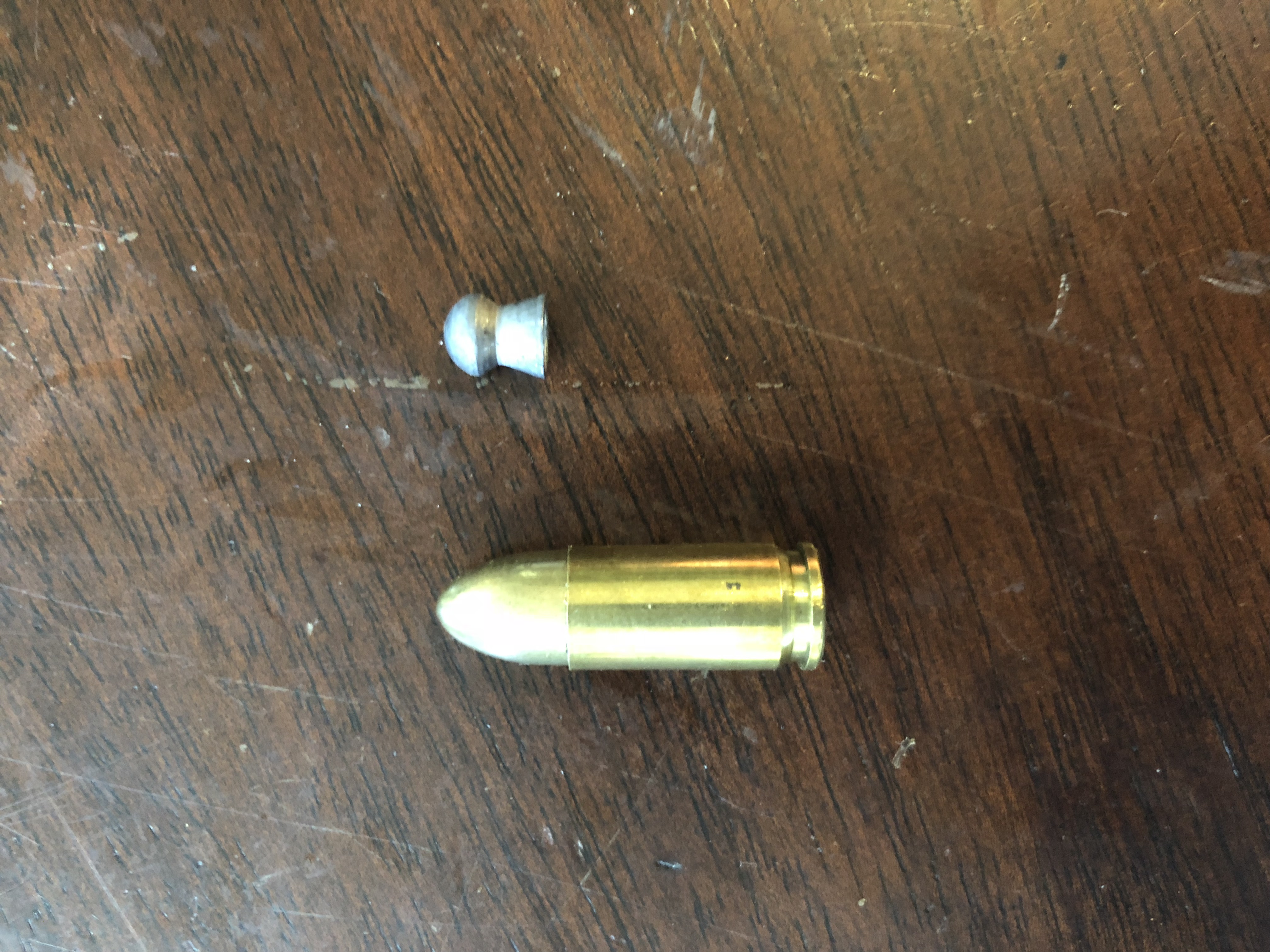
Buying old stock or factory seconds in large lots can be safe, but only if you accept the inherent trade-offs. Surplus ammunition often shows corrosion, weak primers, or inconsistent powder burns, so inspect a few rounds for green patina or loose projectiles before committing. Factory seconds are functional but may have cosmetic flaws or slight accuracy deviations—fine for plinking, risky for defensive use. The real danger is buying sight-unseen: request lot numbers, manufacturing dates, and return policies. bulk ammo for sale Vetting old stock or factory seconds before a bulk purchase eliminates most risks. If the seller refuses photos or guarantees, walk away.
Old stock and factory seconds are safe in bulk when inspected for corrosion, sourced from reputable dealers, and used for practice—never trust an unverified lot.
How Long Does Stored Ammunition Typically Last Before Deterioration?
Under stable, low-humidity conditions, stored ammunition typically lasts 30 to 40 years before deterioration begins, though some surplus rounds remain functional beyond 70 years. The primary degradation vector is corrosion of the primer and propellant breakdown, both accelerated by temperature swings and moisture. For bulk ammunition, rotation isn’t about expiry but about proactive risk: even slow deterioration causes misfires or squib loads. **Optimal shelf life for bulk ammo** depends on airtight containers with desiccant, as repeated exposure to humid air cuts longevity by decades. Visually inspect stored rounds annually for verdigris on cases or discolored primers; these signal chemical instability. When the firing pin strike fails to ignite within two attempts across multiple rounds, that lot has exited its reliable window.
Q: How long does stored ammunition typically last before deterioration?
A: Realistically, 20–40 years with consistent storage conditions; beyond that, unpredictable ignition or propellant degradation makes bulk use unsafe for defensive purposes.
What’s the Best Way to Transport Heavy Cases to the Shooting Range?
For bulk ammo buyers, the best way to transport heavy cases to the shooting range is to use a dedicated wheeled dolly or a collapsible hand truck with a flat platform, not a backpack or duffel bag. Loading each case directly onto the dolly keeps the weight on wheels, preserving your back and allowing smooth movement from vehicle to firing line. First, secure the case with a ratchet strap to prevent shifting. Second, tilt the dolly back to balance the load, then roll it slowly over uneven terrain. Finally, use a ramp if your vehicle has a high lift-over height. This method ensures safe and efficient heavy case transport every trip.
- Strap the case securely to the dolly’s platform.
- Tilt and roll, keeping the load centered.
- Set down before unloading to avoid muscle strain.